Skin Stack
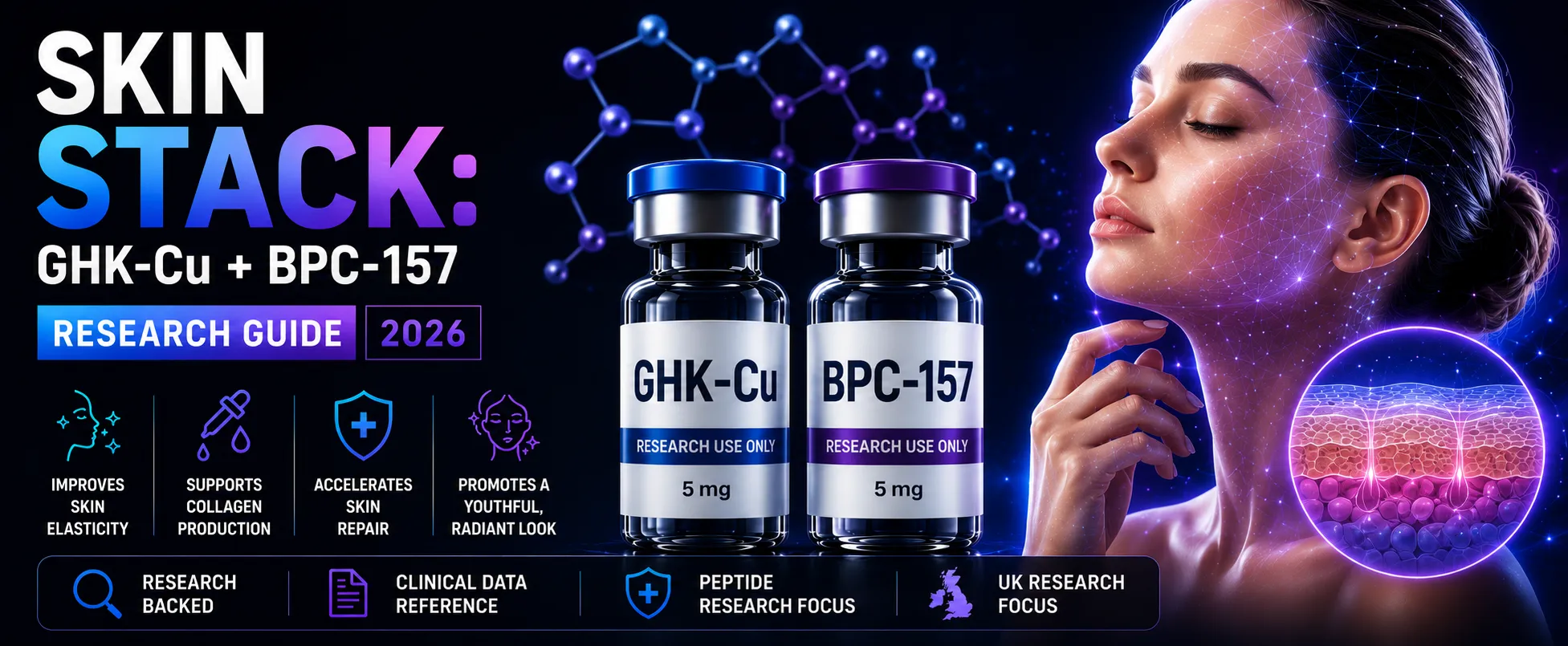
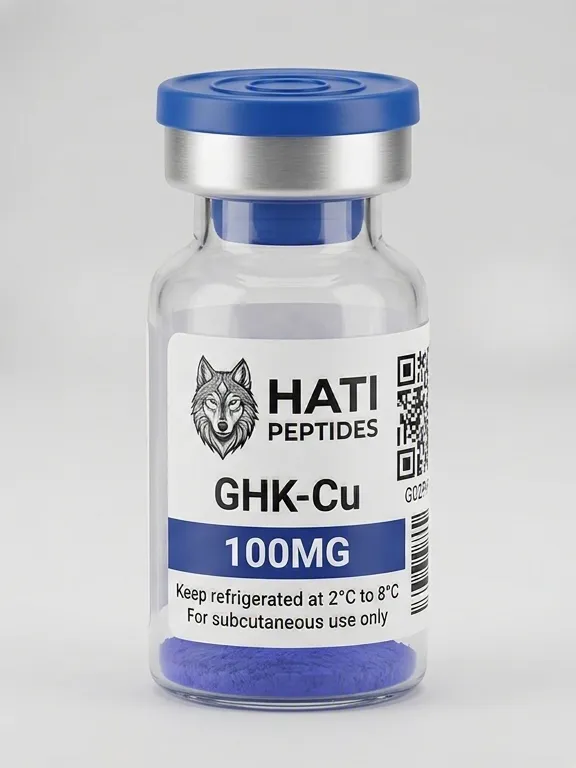
Pair GHK-Cu (copper-binding tripeptide) with BPC-157 to investigate extracellular matrix remodelling, angiogenesis, and tissue regeneration pathways.
Add Skin Stack to cart
Choose your strength for each peptide. Stack discount applied automatically.
Mechanism
How these two peptides work together in research models.
GHK-Cu is a naturally occurring copper-binding tripeptide that stimulates collagen synthesis, glycosaminoglycan production, and wound healing responses.
View productBPC-157 drives angiogenesis and growth factor upregulation, building the vascular infrastructure needed for tissue repair.
View productGHK-Cu is a naturally occurring copper-binding tripeptide that stimulates collagen synthesis, glycosaminoglycan production, and wound healing responses. It also modulates gene expression related to extracellular matrix remodelling and possesses antioxidant properties. BPC-157 drives angiogenesis and growth factor upregulation, building the vascular infrastructure needed for tissue repair. Together they target distinct aspects of tissue regeneration: GHK-Cu addresses matrix synthesis and structural integrity, while BPC-157 ensures adequate blood supply and growth factor signalling.
Research Rationale
GHK-Cu stimulates collagen Type I and III synthesis and promotes fibroblast proliferation — BPC-157 drives VEGF-dependent angiogenesis to supply the repair site
GHK-Cu modulates matrix metalloproteinase (MMP) activity for controlled ECM remodelling — BPC-157 regulates inflammatory cytokine expression and protects endothelial integrity
The copper-peptide has documented antioxidant and anti-inflammatory properties that complement BPC-157's effects on growth factor signalling and cell survival pathways
Each compound is individually vialled with independent COAs — customise concentrations independently for your specific assay
Research Applications
Applied in dermal fibroblast culture models, wound healing scratch assays, collagen synthesis quantification (hydroxyproline assay), endothelial tube formation assays, and MMP activity studies. Relevant for research into extracellular matrix biology and tissue regeneration.
FAQs
Other stacks