

Metabolic Stack
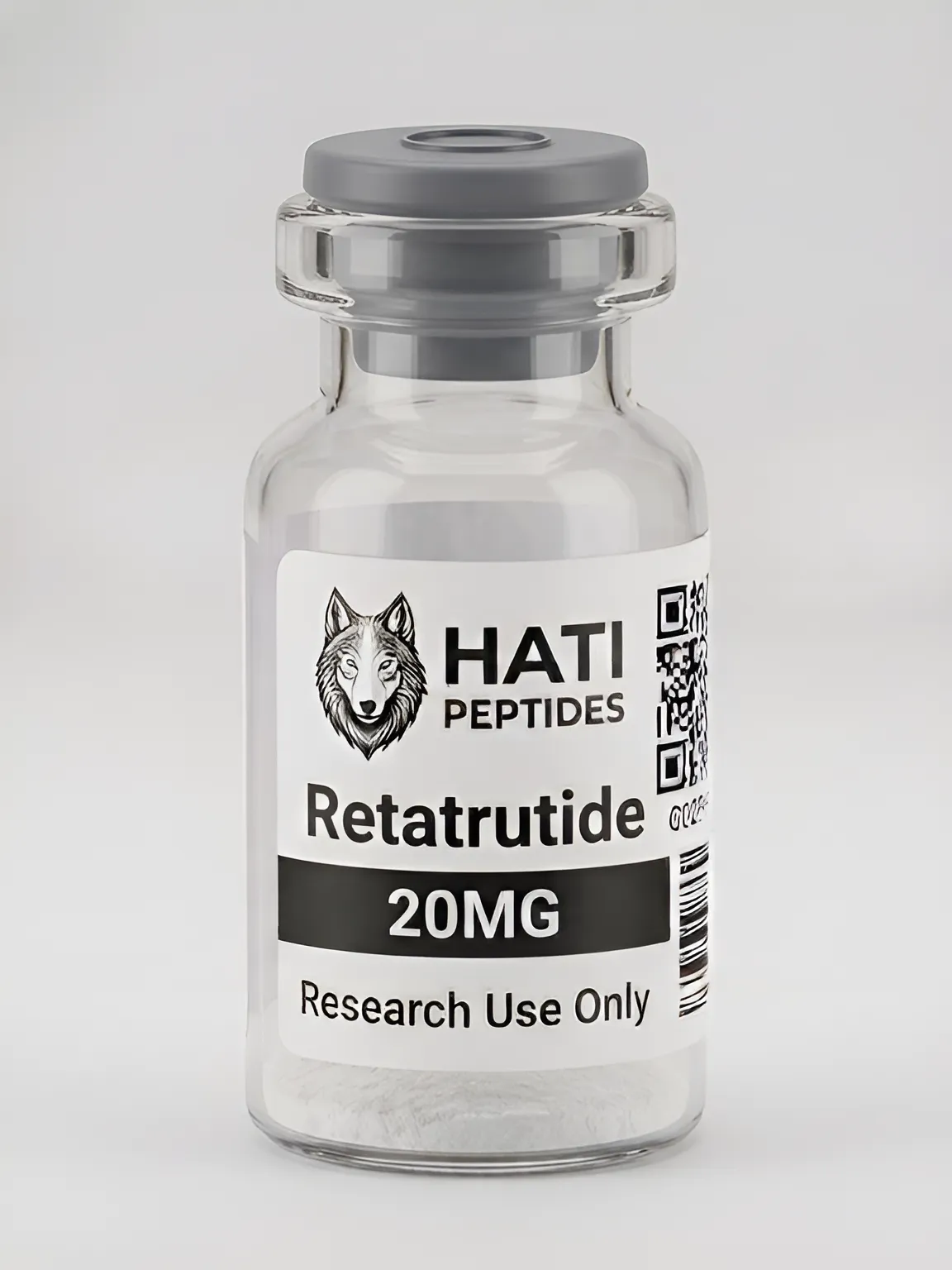
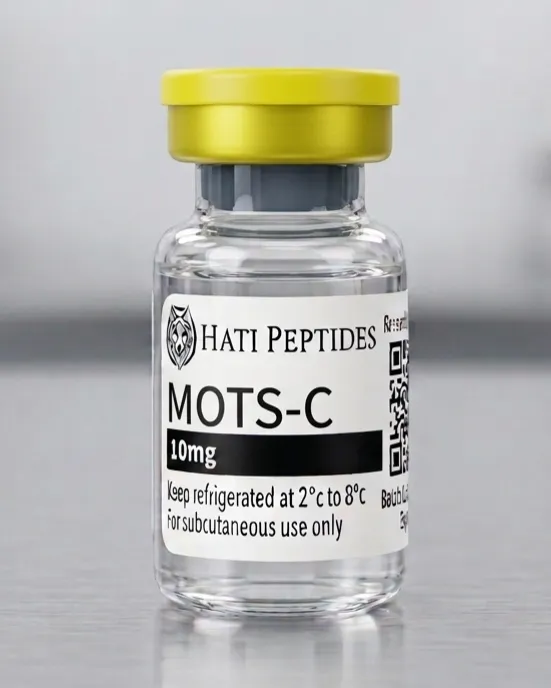
Pair Retatrutide (triple GLP-1/GIP/glucagon agonist) with MOTS-C (mitochondrial-derived peptide) to investigate multi-receptor metabolic signalling and cellular energy regulation.
Add Metabolic Stack to cart
Choose your strength for each peptide. Stack discount applied automatically.
Mechanism
How these two peptides work together in research models.
MOTS-C is a 16-amino-acid mitochondrial-derived peptide that regulates metabolic homeostasis at the cellular level, influencing AMPK signalling, glucose uptake, and lipid metabolism.
View productRetatrutide is a 39-amino-acid triple agonist that activates GLP-1, GIP and glucagon receptors simultaneously, modulating insulin secretion, glucagon suppression, and energy expenditure. MOTS-C is a 16-amino-acid mitochondrial-derived peptide that regulates metabolic homeostasis at the cellular level, influencing AMPK signalling, glucose uptake, and lipid metabolism. The combination allows researchers to study both endocrine and mitochondrial metabolic pathways in parallel.
Research Rationale
Retatrutide addresses systemic energy homeostasis through incretin and glucagon receptor signalling — MOTS-C targets cellular energy sensing via AMPK and mitochondrial regulation
Triple agonism (GLP-1 + GIP + glucagon) provides broader receptor coverage than single or dual agonists, while MOTS-C adds a mitochondrial dimension not addressed by incretin-based compounds
Retatrutide modulates insulin and glucagon secretion in glucose-dependent in vitro models — MOTS-C enhances glucose uptake and fatty acid oxidation in cultured myocytes and hepatocytes
Each peptide is individually vialled with independent batch COAs — titrate each separately in your assay design
Research Applications
Commonly employed in metabolic disease research using beta-cell lines (MIN6, INS-1), primary hepatocyte cultures, and 3T3-L1 adipocyte differentiation models. Also used in mitochondrial function assays and AMPK signalling pathway studies.
FAQs
Other stacks